

10 Easy Steps to Puppy Proof Your Home
Dogs are curious creatures—they love to roam and explore. Unfortunately, that curiosity can get them into trouble, especially when they are puppies. Puppy proofing your home helps keep your dog safe and gives you peace of mind.
Even if you have had a dog for years, it is always a good idea to do regular safety checks around your home. Dogs can surprise us, so supervision is still important, even in a puppy-proofed space.
Follow these 10 easy steps to puppy proof your home and create a safe space for your pup.
Reference Sections:
- Give Your Dog a Safe Space
- Remove Anything Small and Toxic
- Remove Items That Can Be Destroyed
- Check for Hanging Items
- Check Counters and Tables
- Secure Chemicals
- Be Aware of Electricity
- Check Doors, Gates, and Windows
- Give Your Pup Plenty of Exercise
- Do Your Own Research
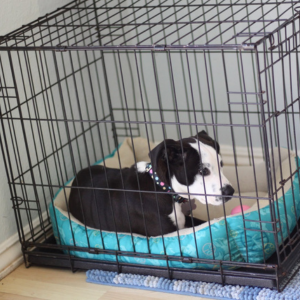
1. Give Your Dog a Safe Space
Your pup should have a designated safe area, such as a crate or pen. This gives them a secure place to relax and allows you to safely contain them when you cannot supervise closely.
Crates and pens are especially helpful for puppies and curious dogs when your attention needs to be elsewhere.
2. Remove Anything Small and Toxic
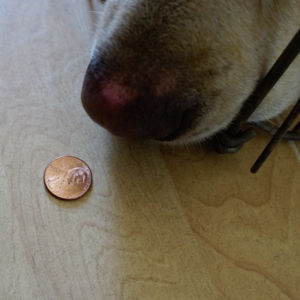
Anything small, sharp, or toxic should be completely out of reach. Items left on floors or low counters can easily become choking or poisoning hazards.
Small objects like batteries and pennies are especially dangerous and should never be accessible to your pup.
3. Remove Items That Can Be Destroyed
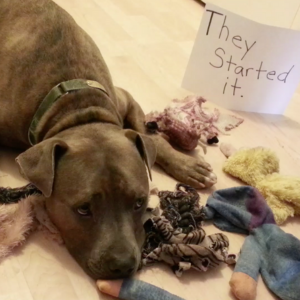
If you do not want it chewed, torn, or swallowed, put it away. This includes books, shoes, pillows, children’s toys, and loose papers.
Dog toys that are torn, leaking stuffing, or missing squeakers should also be removed. Pieces of toys can cause choking or intestinal blockages.
4. Check for Hanging Items
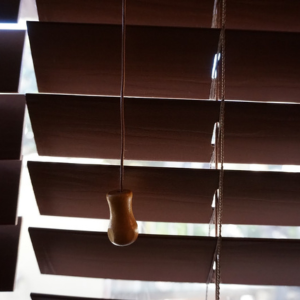
Cords, curtains, blankets, and other hanging items can be pulled down and chewed.
Make sure these items are secured and kept away from your dog’s crate or pen, as pups can pull them through and cause injury.
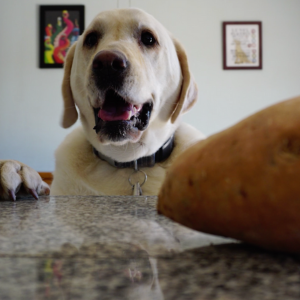
5. Check Counters and Tables
If your dog can reach countertops, avoid leaving items within reach. Store food, medications, and supplements in cabinets or higher shelves.
Be especially cautious with foods and medications that are toxic to dogs. For more details, check out our blog on common foods, plants, and household items dogs should avoid.
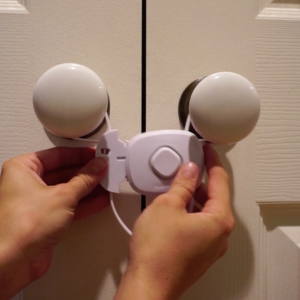
6. Secure Chemicals
Cleaning supplies and chemicals should always be out of reach. Low cabinets can still be accessible to clever pups, so child locks can be very helpful.
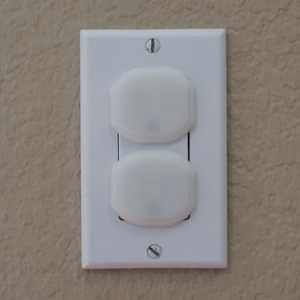
7. Be Aware of Electricity
Electrical cords, outlets, and space heaters can be dangerous. Tie up loose cords and use outlet covers whenever possible to prevent chewing and burns.
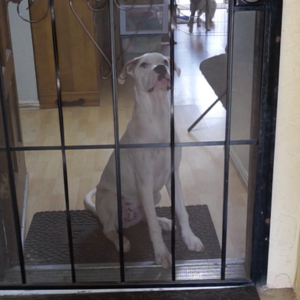
8. Check Doors, Gates, and Windows
Make sure doors, windows, gates, and fences close securely. Dogs can push through loose screens, gaps in fences, or unsecured latches, leading to escapes.
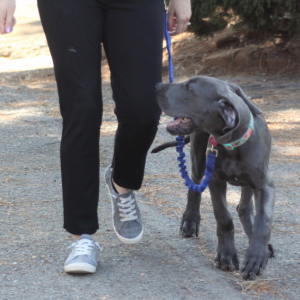
9. Give Your Pup Plenty of Exercise
A bored dog is a mischievous dog. Regular exercise, training, and playtime help prevent destructive behaviors.
A tired dog is a happy and well-behaved dog. Walks, enrichment toys, and training sessions go a long way.
10. Do Your Own Research
If you are unsure whether something is safe for your dog, take the time to research it or ask your veterinarian. When it comes to your pup’s safety, it is always better to be cautious.
Now you can feel confident knowing you have taken steps to create a safer home for your pup.
Check out our other blogs for more dog training and care tips, and follow us on Instagram @PeticularlyPerfect for more helpful dog content.
If you are thinking about getting a dog, please consider adoption or rescue. Many dogs are waiting for loving homes.
Need help with your pup?
We understand that balancing everything on your plate can be overwhelming. Let us take some of the pressure off. Reach out to us for all your training needs, and let’s make life with your dog even better!