

3 Dog Training Mistakes That Cause Behavior Problems
Hi there, fellow dog lover. My name is Allison, and I’ve been working with dogs professionally for over a decade. During that time, I’ve helped countless dogs overcome serious behavior issues, many of which were completely preventable. Because of that, I want to share three things you must never feed your dog if you want a calm, balanced, and well-adjusted companion.
Before you panic, I’m not talking about food. I’m talking about emotional energy.
Dogs are incredibly sensitive to how we feel and what we project. They constantly read our body language, tone, and intent. As humans, we often assume that what comforts us will comfort our dogs too. That’s where problems begin.
Dogs are a different species with a different language. When they absorb human emotions like insecurity, excitement, and fear, those emotions can turn into confusion, anxiety, and behavior problems.
When we treat dogs the way we want to be treated instead of the way they need to be treated, imbalance follows. And imbalance is where issues like anxiety, reactivity, obsession, and aggression begin.
Below are three emotional mistakes that quietly sabotage dog behavior and what to do instead.
Reference Sections:
- Feeding Insecurity
- Feeding Excitement
- Feeding Fear
Feeding Insecurity
It’s normal for dogs to feel unsure about new experiences. However, when insecurity is reinforced, dogs begin to feel nervous about everything.
If your dog hesitates around something that isn’t actually dangerous, avoid picking them up, petting them, or soothing them with reassuring words. While that approach works for humans, dogs interpret it very differently. To a dog, comforting behavior confirms that there is something to fear.
Instead of reinforcing insecurity, feed curiosity.
✅ What to do: Ignore attempts to avoid harmless situations. Do not talk to, touch, or make eye contact with your dog when they are acting wary. When you remain calm and confident, that emotional state transfers directly to your dog.
Ignoring anxious behavior may feel harsh at first, but dogs do not interpret it the way humans do. To them, calm neutrality communicates safety and stability.
If your goal is a confident dog who feels comfortable exploring the world, your energy matters more than your words. Calm, steady leadership builds trust and curiosity.
Feeding Excitement
Excitement is often mistaken for happiness, but for dogs, too much excitement leads to imbalance.
An overexcited dog struggles to listen, focus, or self-regulate. Over time, constant excitement can contribute to impulse control issues, reactivity, and anxiety.
One of the most common mistakes owners make is reinforcing excitement during greetings. When you come home, resist the urge to immediately talk to or touch your dog. Giving attention while your dog is frantic only amplifies that state.
Instead, reward calm behavior.
✅ What to do: Offer affection, toys, treats, and attention only when your dog is already relaxed. This teaches your dog that calmness is what earns good things.
Ignoring excitement does not hurt your dog emotionally. In fact, it helps them develop emotional balance and self-control. A calm dog is a happier, healthier dog.
Feeding Excitement
Fear is one of the most damaging emotions to reinforce.
When a dog is afraid and we console them or pull them away, we unintentionally confirm that their fear is justified. Over time, this creates a dog who is constantly on guard and ready to react.
Chronic fear can show up as barking at strangers, lunging on leash, hiding, or aggression. Dogs in this state believe they are doing exactly what their humans want because fear-based reactions have been reinforced.
When dogs feel trapped and afraid, they instinctively choose one of three options: avoid, flee, or defend themselves. If avoidance and escape are not possible, defensive behavior becomes more likely.
Fear should never be part of your dog’s emotional diet.
Instead, feed confidence.
✅ What to do: Confidence comes from calm, consistent leadership. When you communicate that you are responsible for safety and decision-making, your dog can relax. A confident dog is not weak or passive. A balanced dog is still capable of protecting their family when truly necessary.
Why This Matters More Than You Think
Many people assume their dog will turn out fine no matter what. Unfortunately, the reality is very different.
According to the ASPCA, hundreds of thousands of dogs are euthanized each year, often due to behavior problems. Puppies are adopted because they are cute, but as they grow into adults with unmanaged behavioral issues, many end up surrendered to shelters.
Dogs that are not fed insecurity, excitement, or fear rarely develop major behavior problems.
I’ve spent years rehabilitating dogs labeled “unadoptable.” Dogs live in the moment and learn through repetition and habit. That means change is always possible.
No matter where you are starting, you can create new habits today that lead to lasting, positive behavior.
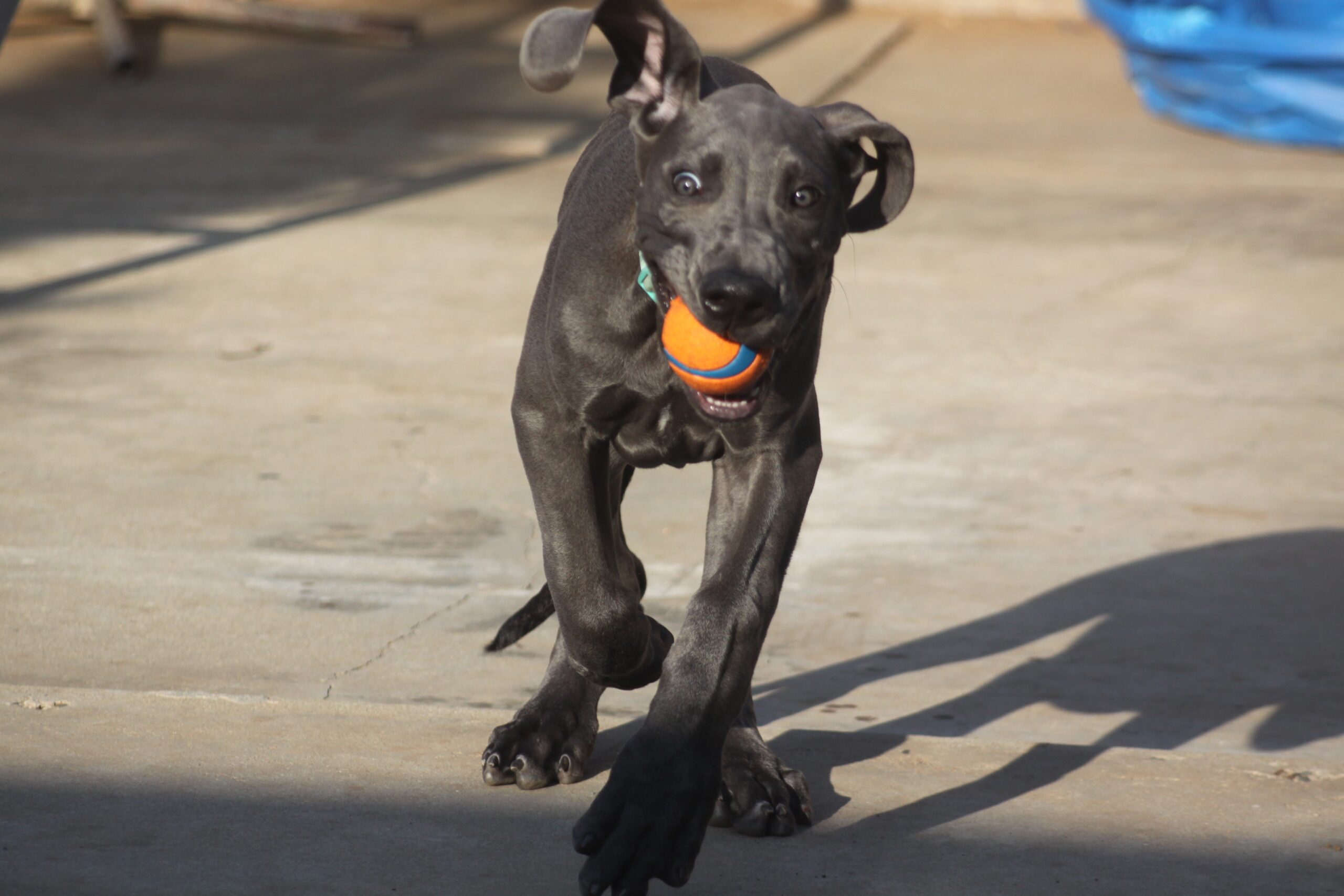
The Balanced Dog Mindset
Insecurity, excitement, and fear do not nourish your dog.
What dogs truly need is a steady emotional diet of curiosity, calmness, and confidence. When those needs are met, dogs become balanced, trustworthy companions who thrive in the human world.
If you are considering adding a dog to your family, please consider adoption or rescue. There are countless dogs waiting for calm, confident leadership and a safe place to belong.
Balanced dogs are not born. They are guided.
And every dog deserves that chance.
Need a training refresher?
We understand that balancing everything on your plate can be overwhelming. Let us take some of the pressure off. Reach out to us for all your training needs, and let’s make life with your dog even better!