

Teach Your Dog Opposite Commands (Yes, Even Barking!)
Hello there, dog-loving friend! My name is Allison, and I’ve been working with dogs professionally for a long time. Sometimes, the best way to teach a dog a behavior is to think a little backward.
If you get stuck trying to stop a behavior, try teaching it on purpose first. Take something your dog does naturally—like jumping, digging, or barking—and put it on a cue. Then, teach the opposite command.
Once your dog understands both, you gain real control over the behavior.
Here are 7 steps you can follow to teach your dog opposite commands.
Reference Sections:
- Start Linking the Command With the Behavior
- Take Advantage of Natural Occurrences
- Be Prepared
- It’s Okay to Cheat
- Use Hand Gestures
- Ready, Set… Switch!
- Use This Strategy Often
Start Linking the Command With the Behavior
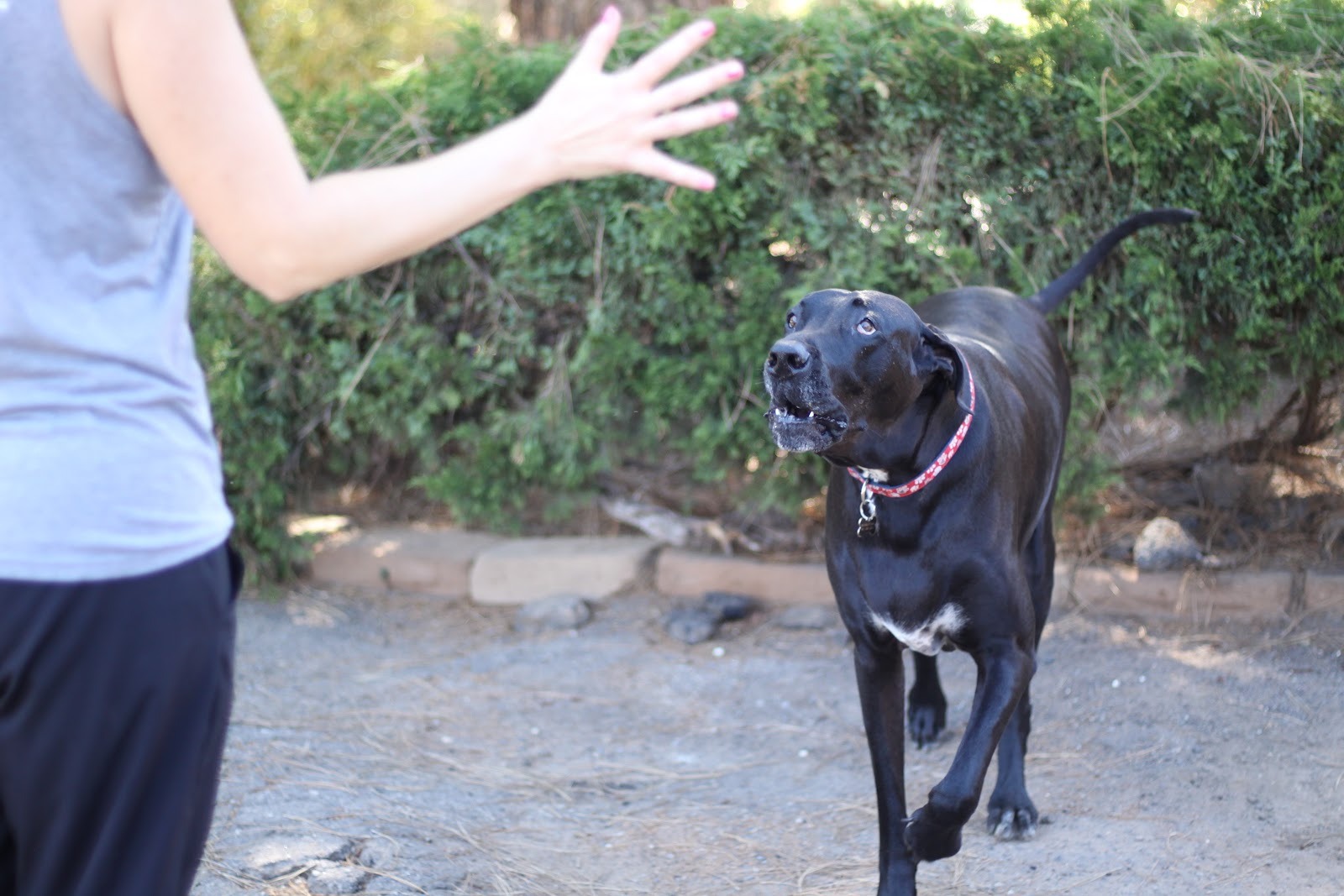
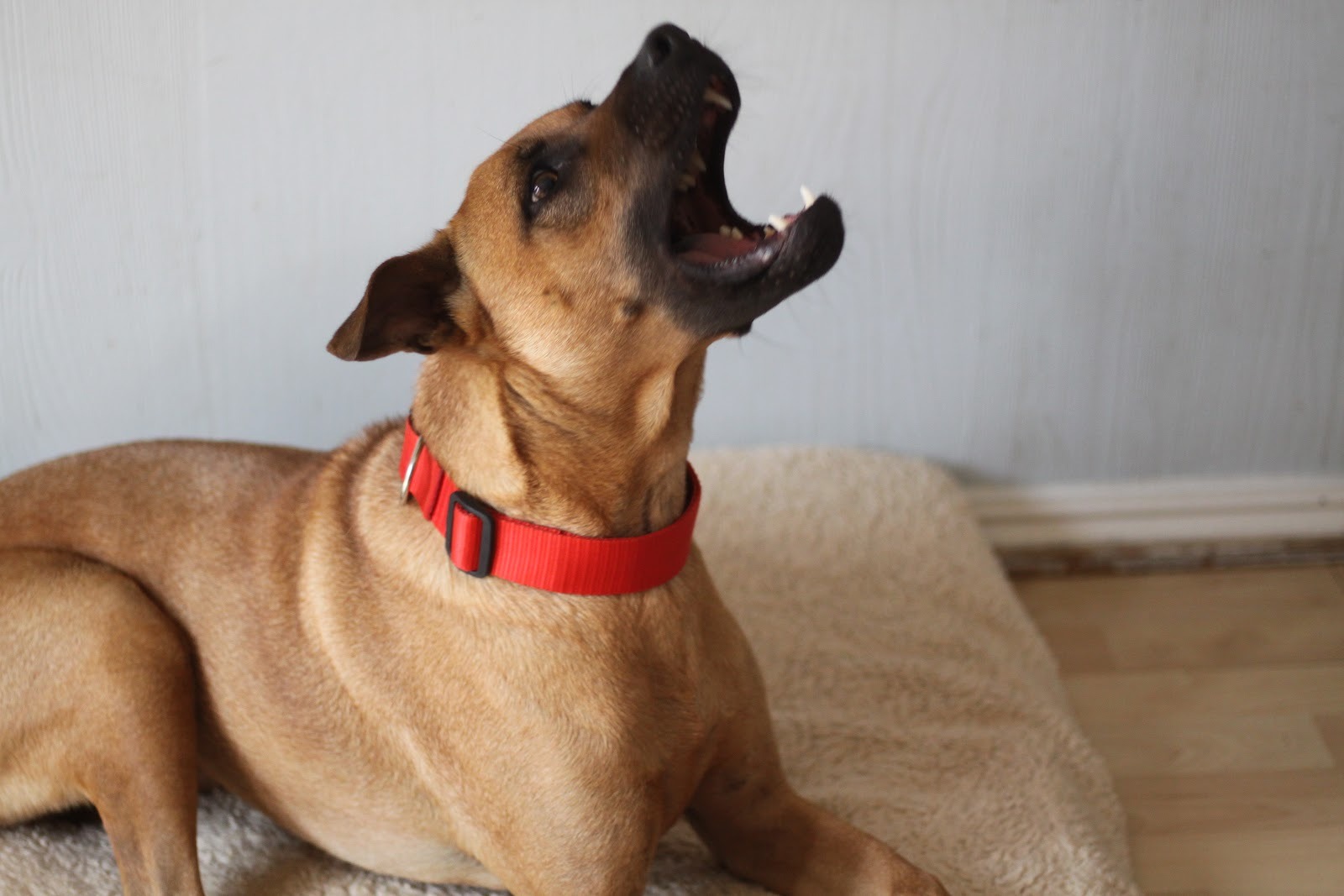
If your dog barks frequently, start by teaching the command “Speak.”
Rex barks.
Say “Speak, Rex” in a neutral tone.
Rex looks at you like you’re crazy.
Catch Rex just before he barks again and say “Speak.”
Rex barks.
Praise with “Good Speak!” in a high-pitched voice.
Your dog will learn over time, so don’t worry if it doesn’t click right away. Every natural occurrence is a training opportunity. Use a neutral tone for the command and a higher tone for praise.
When your dog understands a command for an action, you gain more control over that action.
Take Advantage of Natural Occurrences
These behaviors are instinctual, so they can be hard to recreate on demand. Look for moments when your dog naturally performs the behavior and use those opportunities to train.
Say the command right before the behavior whenever possible, then praise immediately. Avoid over-structuring sessions—this type of training works best when woven into everyday life.
Consistency is key.
Be Prepared
Keep treats nearby so you can reinforce behaviors quickly. Choose your command ahead of time, such as “Up” or “Jump,” and make sure everyone in the household uses the same words and hand signals.
Use a neutral tone for commands and praise quickly and consistently. There are no corrections in opposite training—keep it simple and fun.

It’s Okay to Cheat
If you are having trouble catching the behavior naturally, create a situation where it is more likely to happen.
For example, if your dog barks at people outside the window, limit access when you cannot train. Then allow access during times when you are ready to practice, such as during high foot-traffic hours.
Use Hand Gestures
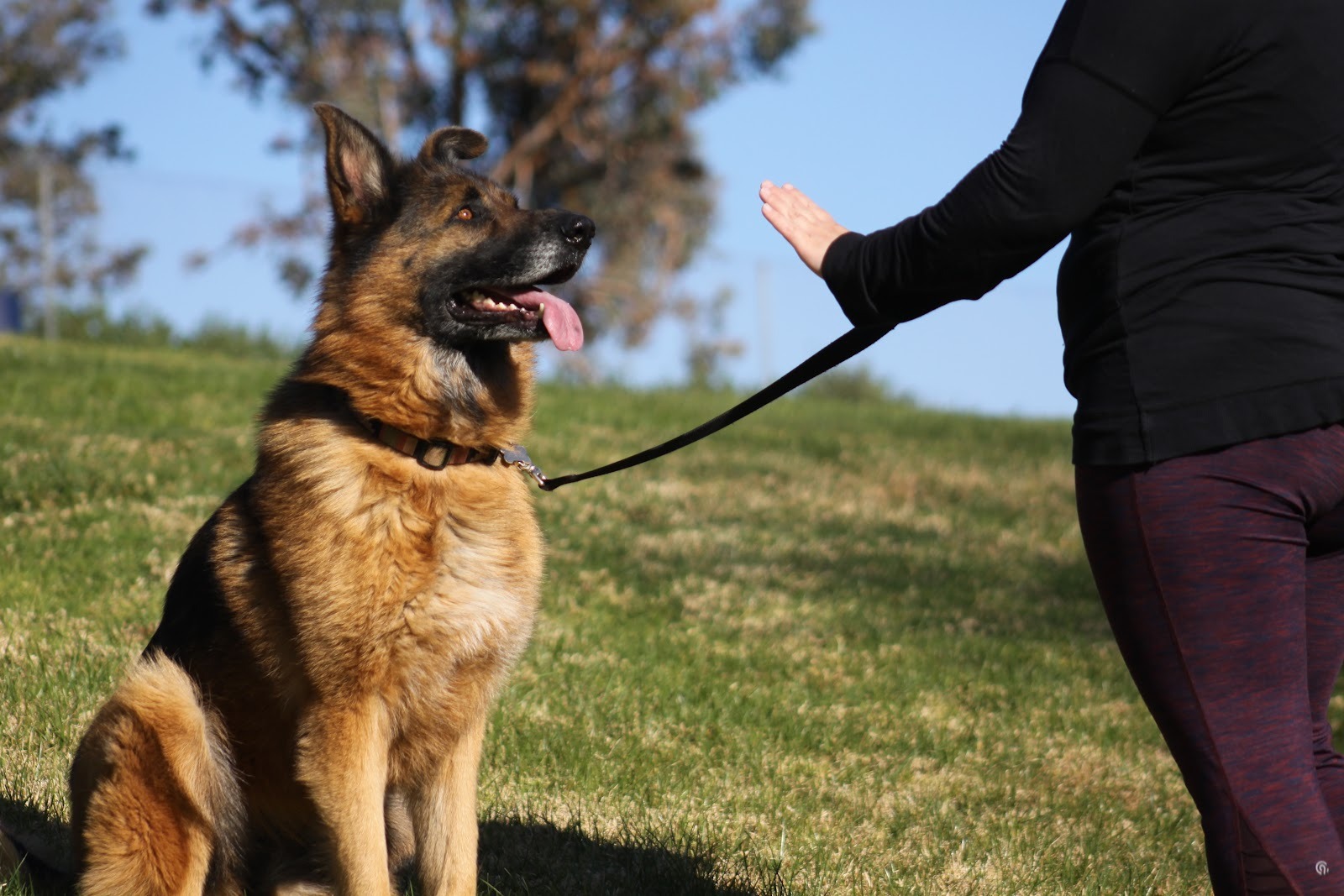
Whenever possible, pair commands with hand gestures. Dogs often learn visual cues faster than verbal ones.
Make sure everyone uses the same gestures and commands. Consistency helps your dog learn faster.
Ready, Set… Switch!
Once your dog performs the behavior reliably on command, it’s time to teach the opposite.
Give the original command and allow the behavior to happen. Instead of praising, give the opposite command such as “Off,” “Quit,” or “Quiet.” Pair it with a hand gesture and praise instantly, even if your dog only performs the opposite behavior briefly.
Stop praising the original command altogether and only reinforce the opposite behavior to solidify the change.
Use This Strategy Often
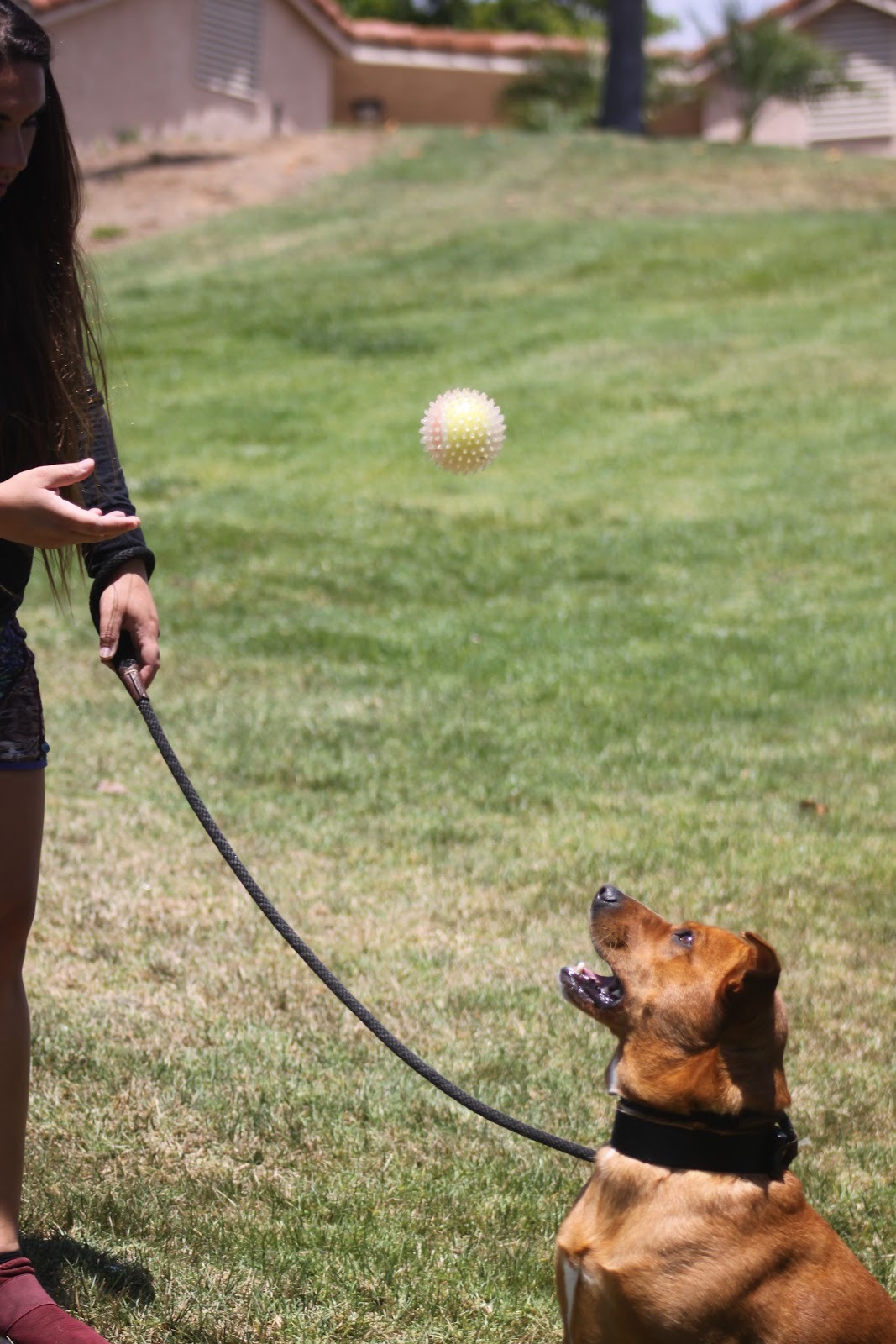
Many behaviors can be paired with opposite commands, such as Take It / Leave It or Go Ahead / Wait. Games like fetch are great opportunities to practice multiple commands at once.
Training is mentally stimulating, rewarding, and fun for your dog—the more they learn, the better.
Need help with your pup?
We understand that balancing everything on your plate can be overwhelming. Let us take some of the pressure off. Reach out to us for all your training needs, and let’s make life with your dog even better!